UI / UX Design
ESO
During my placement year at ESO, I worked across web and UX projects that pushed me to grow quickly as a designer. I learned to balance creativity with technical constraints, collaborate across teams, and deliver solutions that improved user experience and business outcomes. Impact: Reduced task time by 40% and improved success rate from 60% to 93%
Year :
2022 - 2023
Industry :
Tech & healthcare
Client :
eso
Project Duration :
1 year
Project 1: Training Pages Redesign
✨ Success metrics
Reduced average time to locate training materials by 40%
Improved task success rate from 60% to 93% after redesign.
Increased engagement with training modules by 25% (measured via click‑through tracking)
Expected business impact: fewer support requests and faster onboarding.
Context
The Training Pages serve as an internal knowledge hub, but users frequently struggled to navigate dense layouts and overwhelming content. This made it difficult to find essential information quickly.
Problem
The existing pages lacked hierarchy, clarity, and structure. Users often felt lost, and the volume of content amplified the complexity.
Process
I began with a heuristic evaluation to identify usability issues and opportunities for improvement. Because the team had no dedicated designer, I stepped in to support them alongside my primary team — even contributing light front‑end code to ensure my design recommendations were practical and easy to implement.
Solution
I introduced a simplified layout, clearer navigation hierarchy, and a more consistent visual language. These updates improved readability, reduced cognitive load, and helped users locate information more efficiently.
Software: Figma, Miro, HTML/CSS (light coding)
Skills: Heuristic Evaluation, Information Architecture, Accessibility, UX Problem-Solving, Cross-team Collaboration

Project 2: eso Suite and Tools (EST)
✨ Success metrics
Reduced average time to filter and export data by 30%
Doubled the number of successful data exports per session
Improved perceived efficiency score from 3.2 to 4.6/5 in post‑test survey
Expected impact: faster reporting cycles and reduced manual data handling
Context
I began as the only designer on the EST team, partnering closely with engineers to define early UX patterns and establish the product’s initial direction. A senior designer joined later in the year as the team expanded, which strengthened the design capability and gave me the opportunity to collaborate, learn, and contribute to a more mature design process.
Problem
The team was building Toolbox, a new internal tool used by eso employees to manage customer accounts. With no existing design system, patterns, or UX foundations, I needed to help define the product’s structure, usability, and visual identity from the ground up.
Process
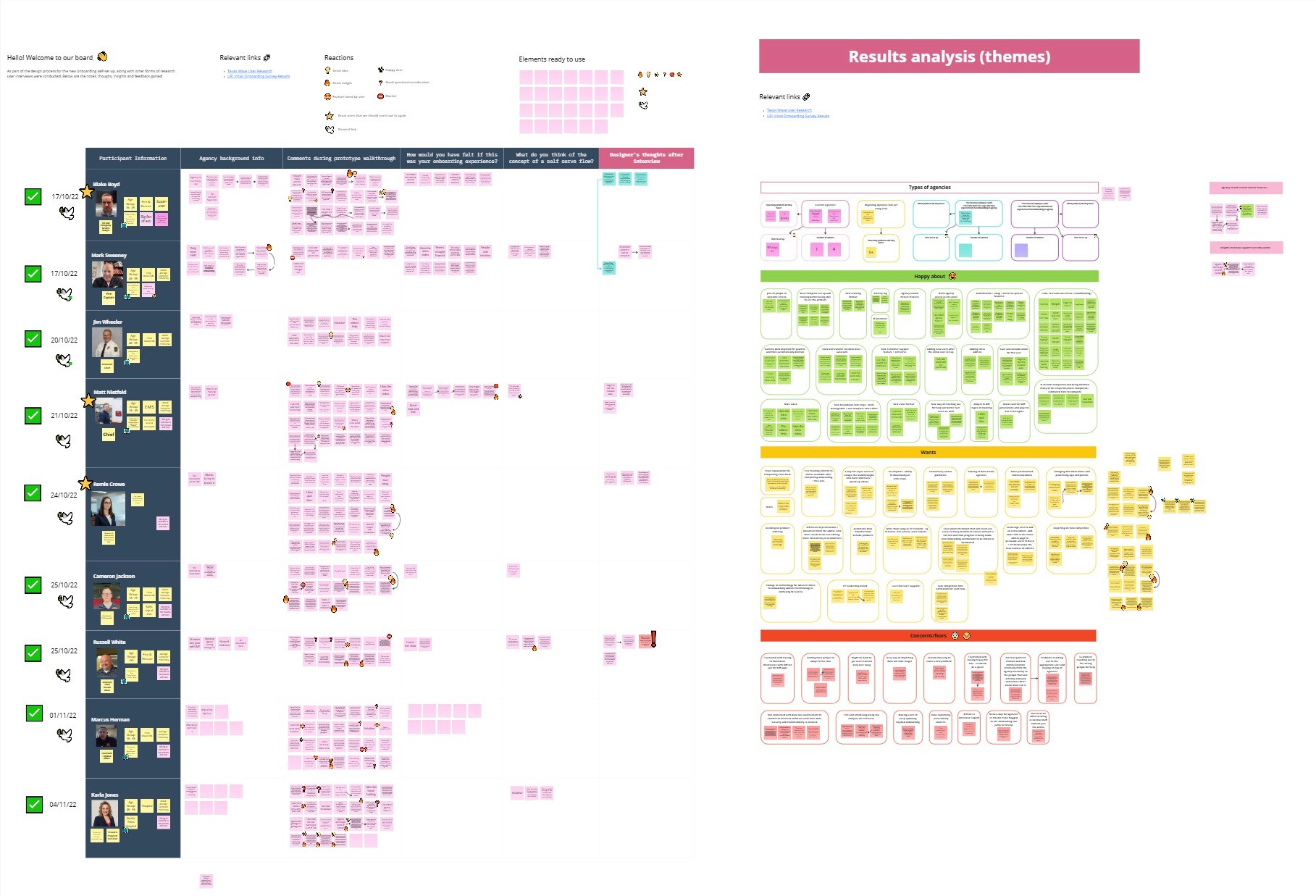
Collaborated closely with engineers to map out user journeys and information flows
Created low-fidelity wireframes and interactive prototypes in Figma
Championed accessibility and simplicity across the product
Introduced consistent UI patterns and scalable design components
Key Contributions
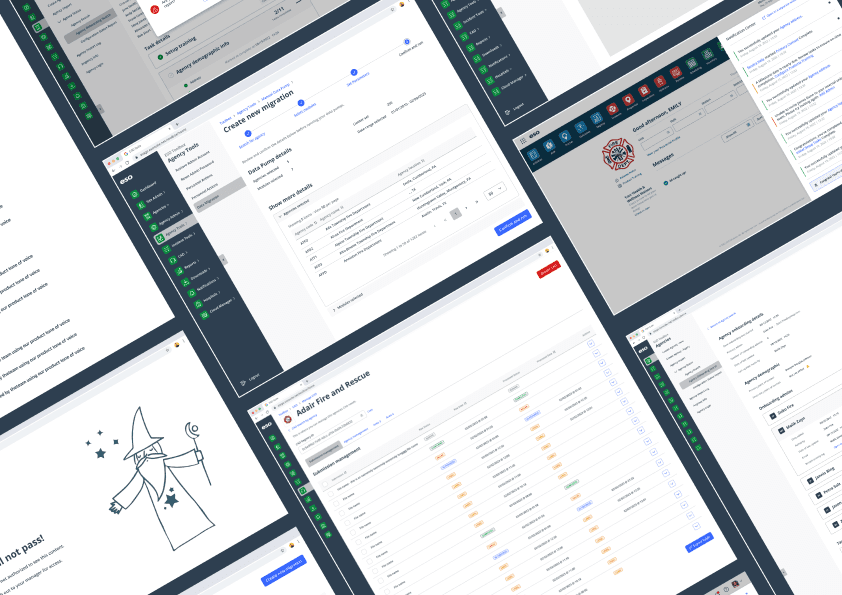
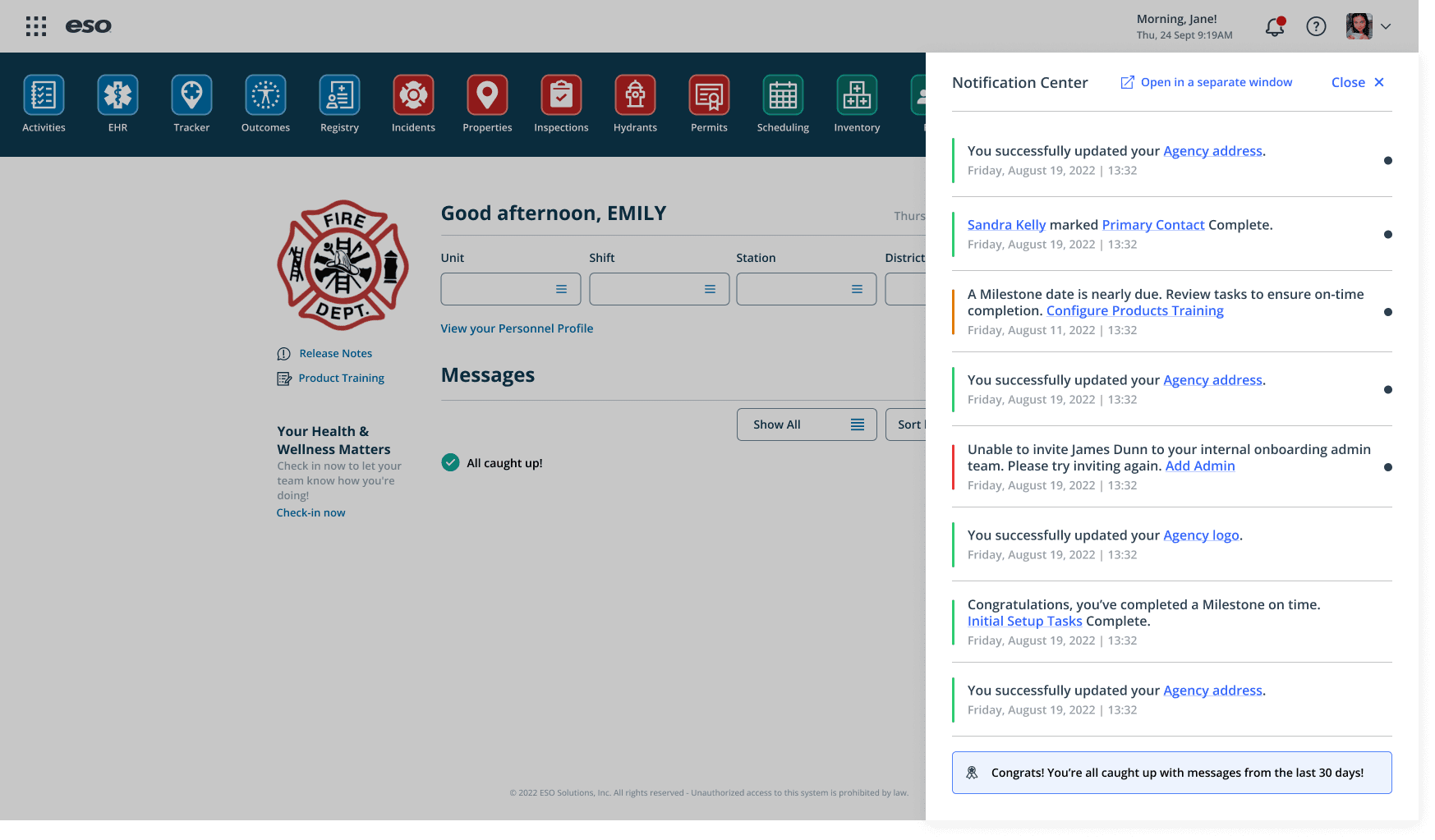
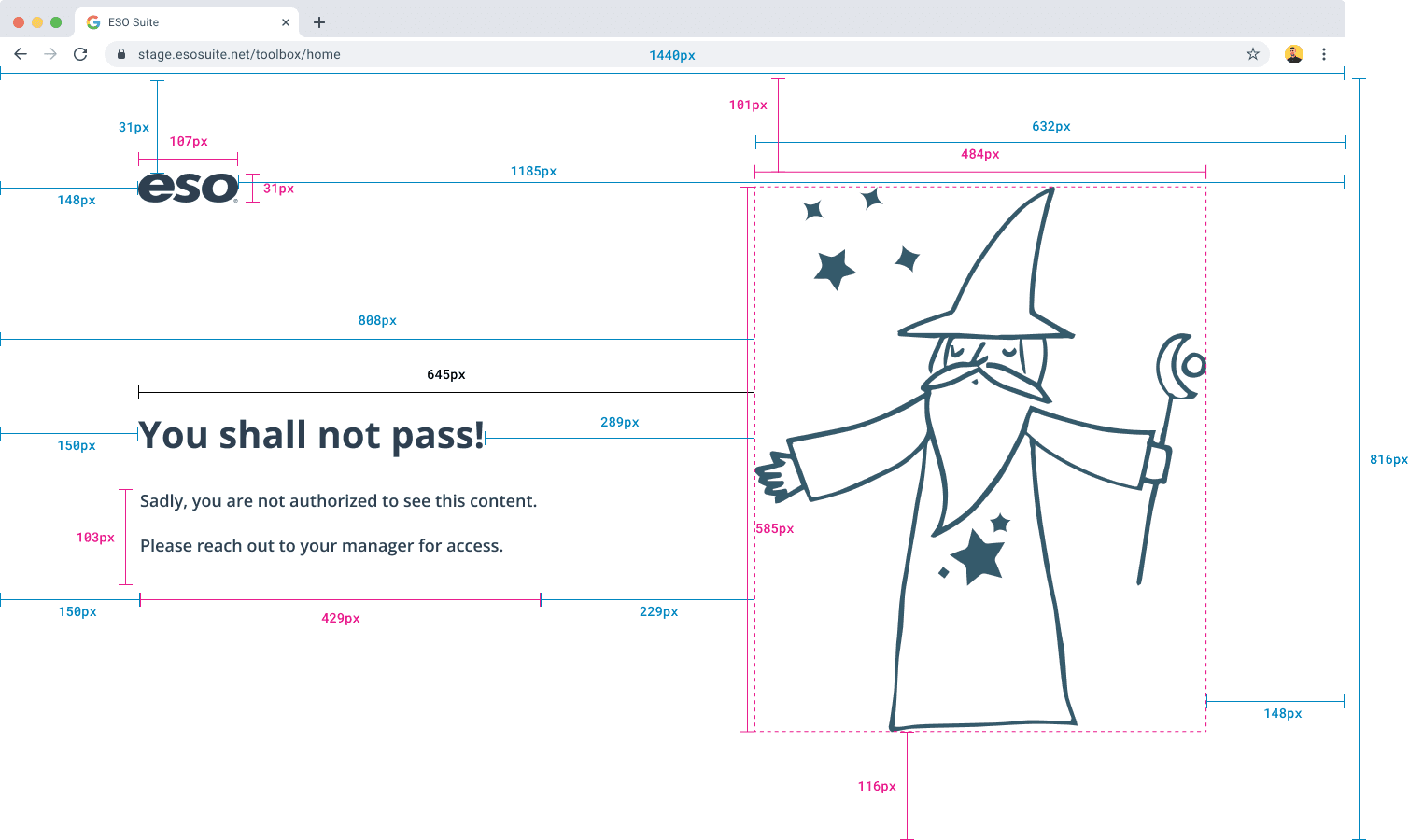
Error Screen Design
One of the first screens I designed, which helped establish the tone, visual identity, and interaction patterns for the product.
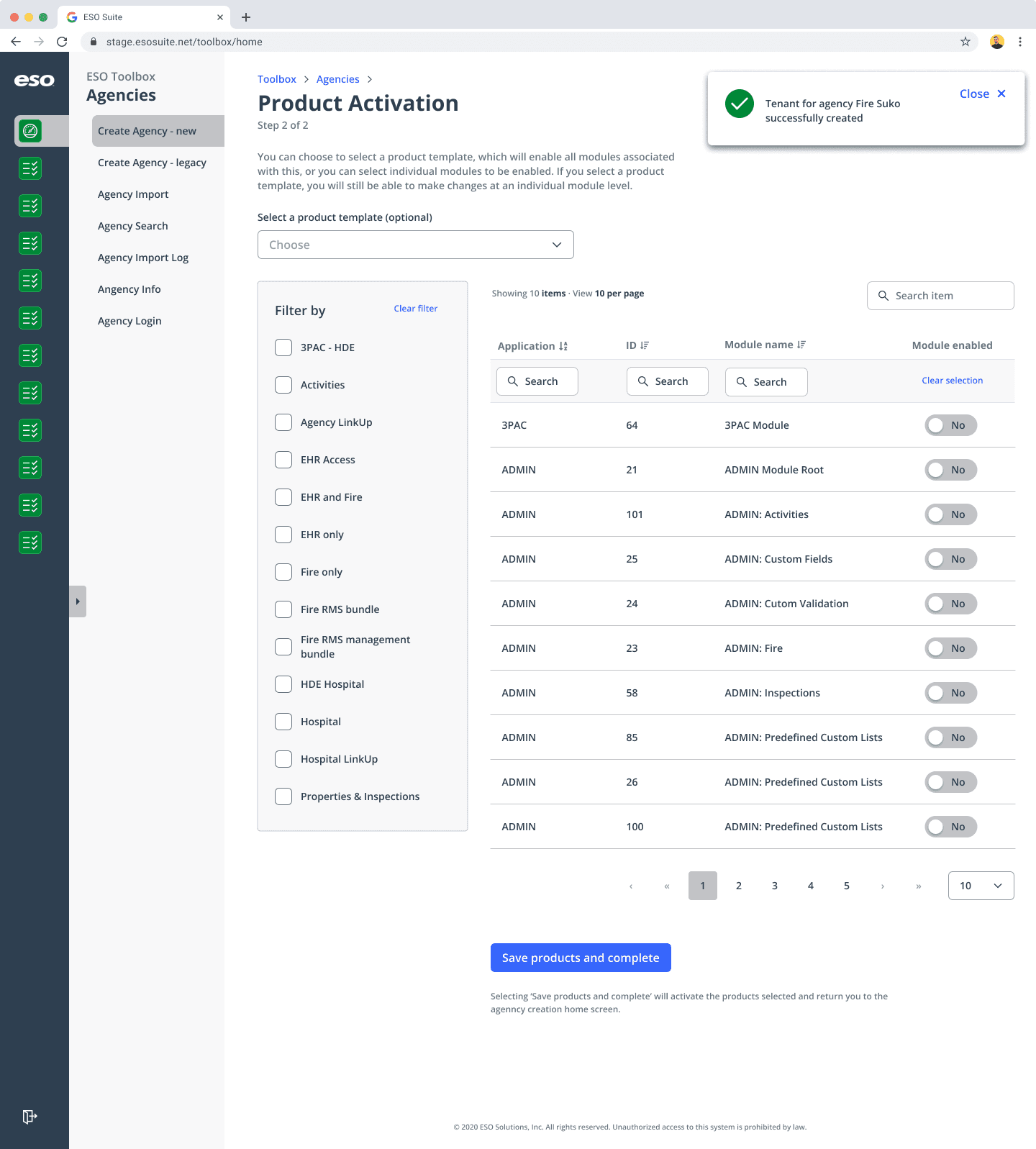
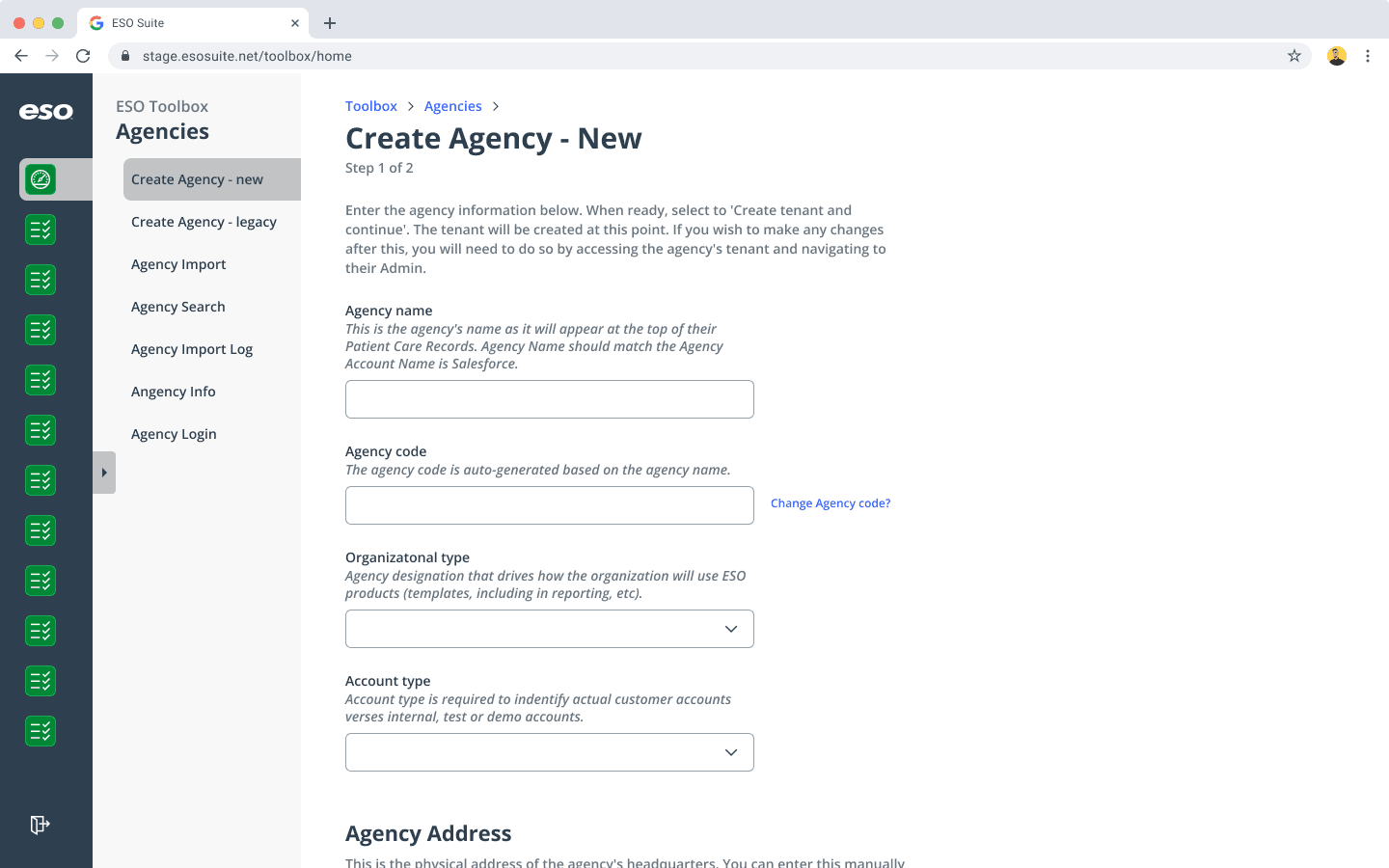
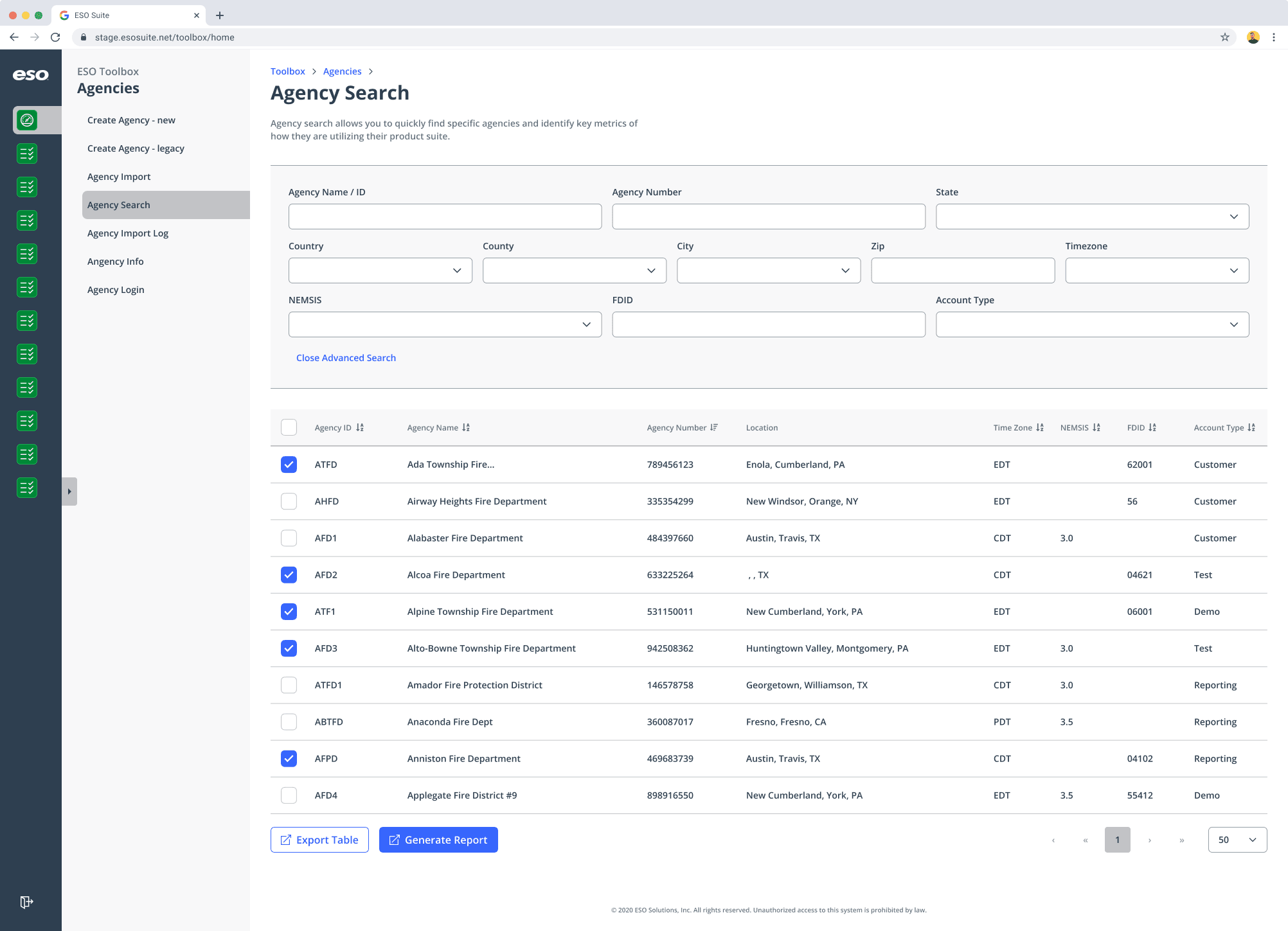
Agency Onboarding Flow
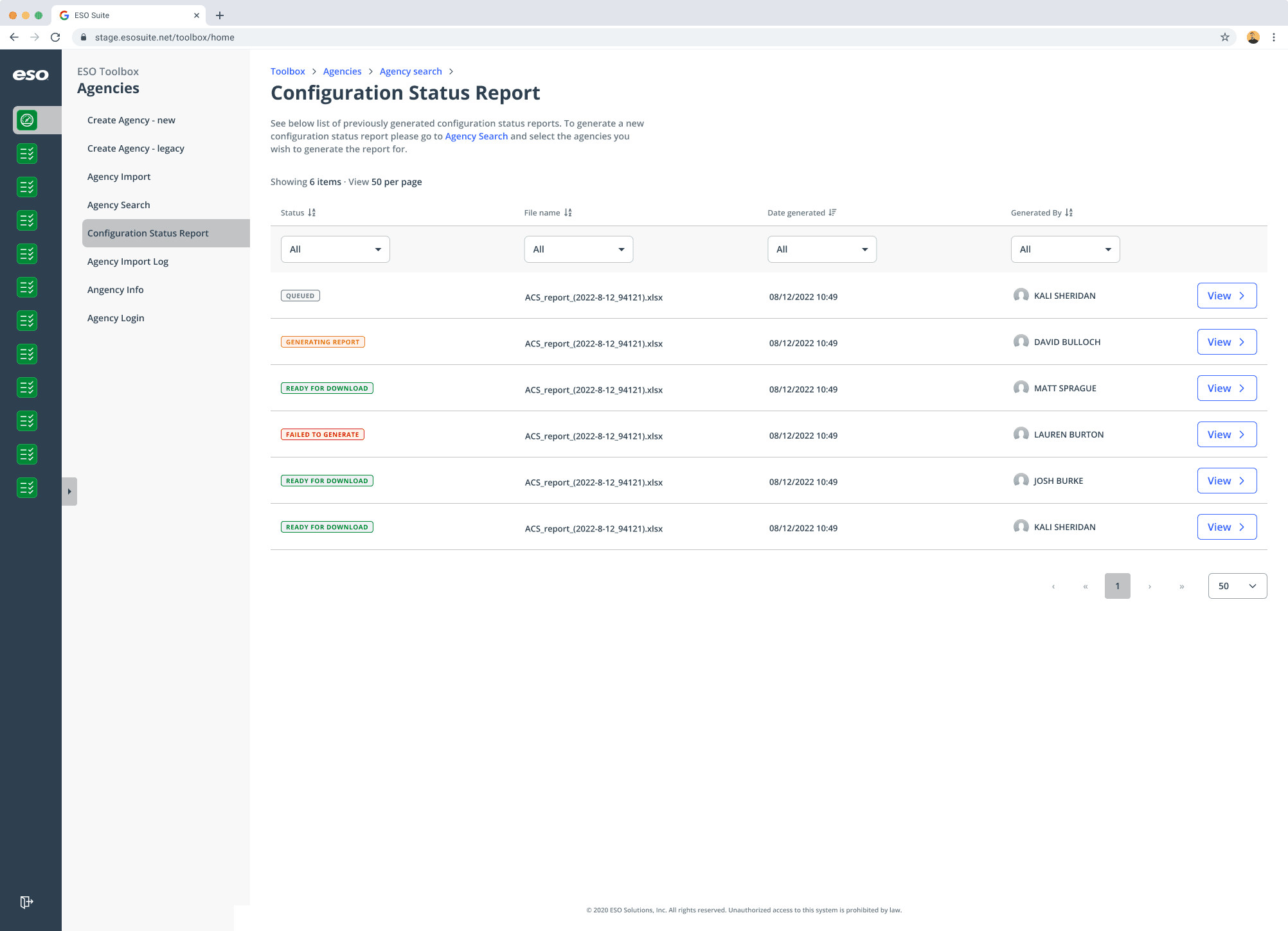
After conducting user research, I introduced a “shopping cart” model that allowed users to select multiple accounts and generate reports simultaneously — simplifying a previously complex, multi‑step process.
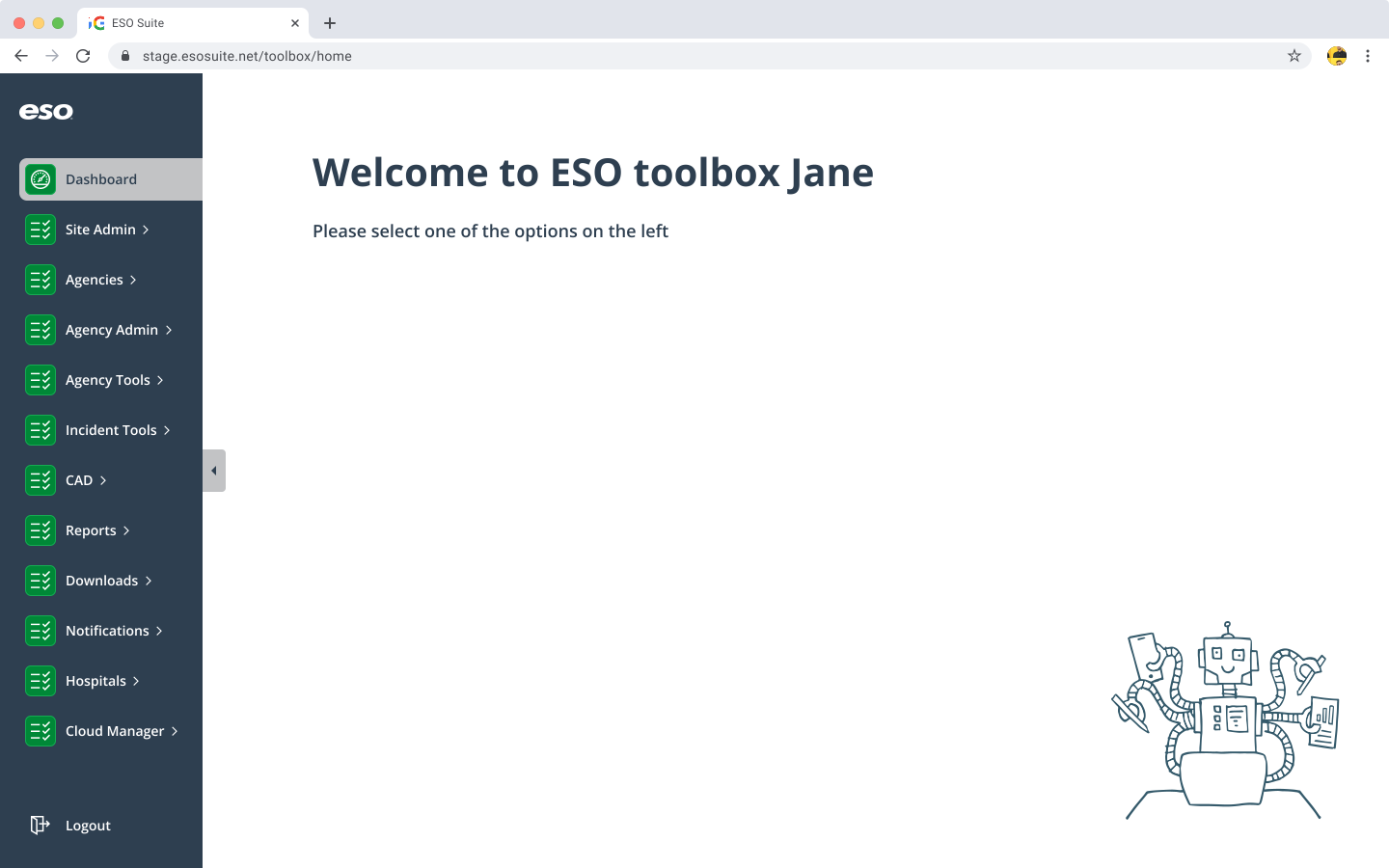
Navigation System Redesign
I consolidated multiple pathways into a clear, intuitive navigation structure that reduced cognitive load and created a scalable foundation for future product growth.
Impact
My work helped establish the design foundation for a rapidly evolving internal product. By improving usability, introducing consistent patterns, and advocating for user‑first design, I set a precedent for accessible, scalable UX within a highly technical team.
This project also strengthened my ability to communicate design rationale, collaborate across disciplines, and influence product direction without formal design infrastructure.
Software: Figma, Dovetail, Miro, Maze, Jira
Skills: Design Systems, Component Documentation, UI Consistency, Cross-Functional Collaboration, Accessibility Standards
PROJECT 3: COMPONENT LIBRARY DEVELOPMENT
✨ Success metrics
Unified 40+ components into a single library, reducing design duplication by 60%
Cut average development time per feature by 25%
Increased cross‑team adoption rate to 90% within 3 months.
Expected impact: improved design consistency and faster release cycles.
Context
As Toolbox expanded, I introduced several new UI components and quickly realised the need for consistency and scalability. To support the growing product and ensure alignment across teams, I documented and added these components to the company’s design library.
Process
This was my first time managing design documentation at scale. I researched best practices, collaborated with senior designers, and ensured each component was accessible, reusable, and aligned with the evolving design system.
My focus was on creating components that were not only visually consistent but also flexible enough to support future product growth.
Impact
Building out the component library streamlined design and development workflows across teams, reduced duplication, and strengthened the product’s long‑term scalability. This project also deepened my understanding of design systems thinking — a skill that has since become central to my final‑year projects and overall approach to UI/UX design.
“Creating for scalability changed the way I think about design — it’s not just about what looks good today, but what will still work a year from now.”
Software: Figma, Dovetail, Miro, Jira
Skills: Design Systems, Component Documentation, UI Consistency, Cross-Functional Collaboration, Accessibility Standards
PROJECT 4: DASHBOARD UPDATES & RELEASE NOTES
✨ Success metrics
Increased visibility of new features by 3× (tracked via click‑throughs)
Reduced support tickets related to release confusion by 20%
Improved user satisfaction with dashboard clarity from 3.8 to 4.7/5
Expected impact: stronger product adoption and smoother update communication.
Context
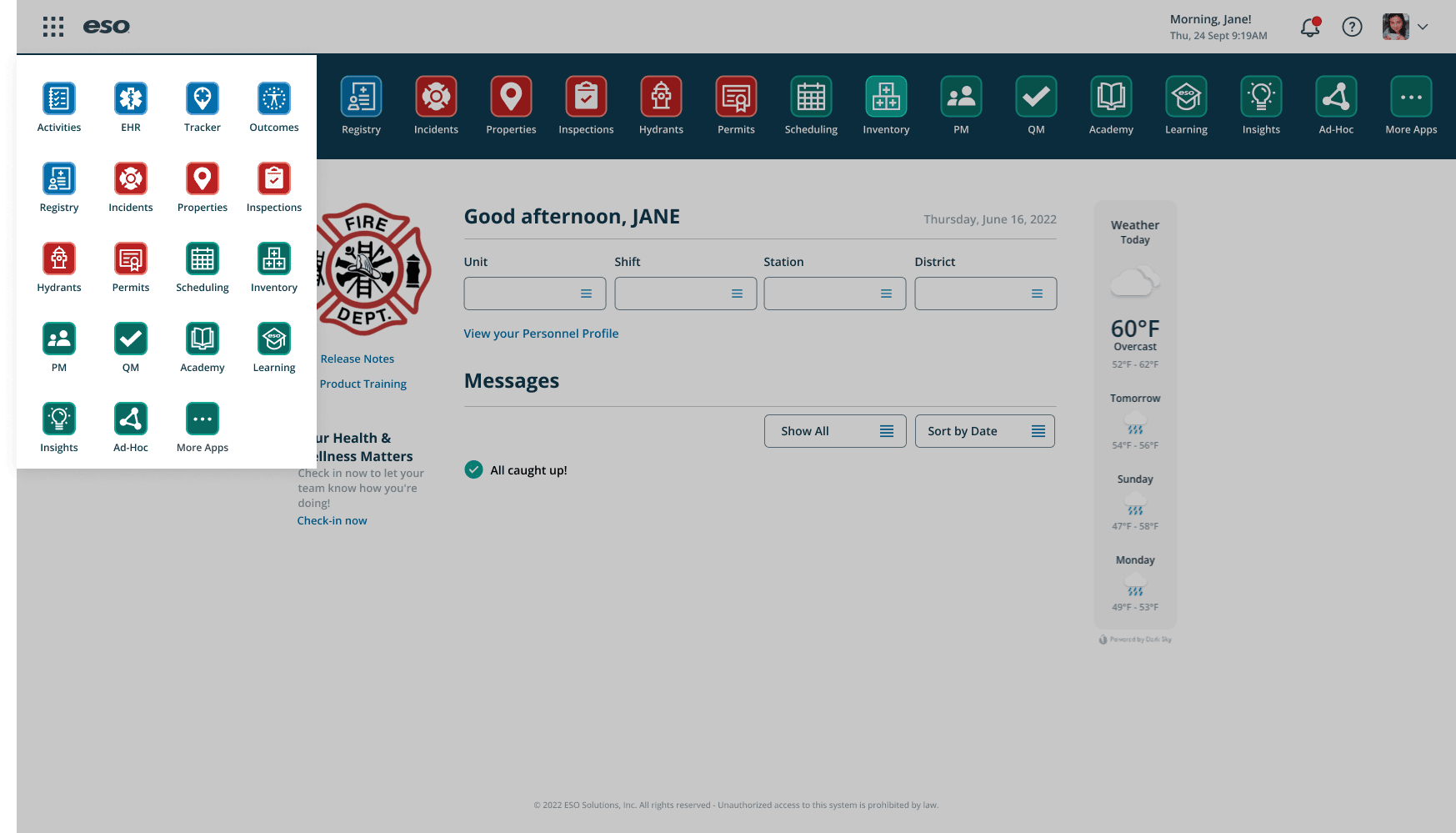
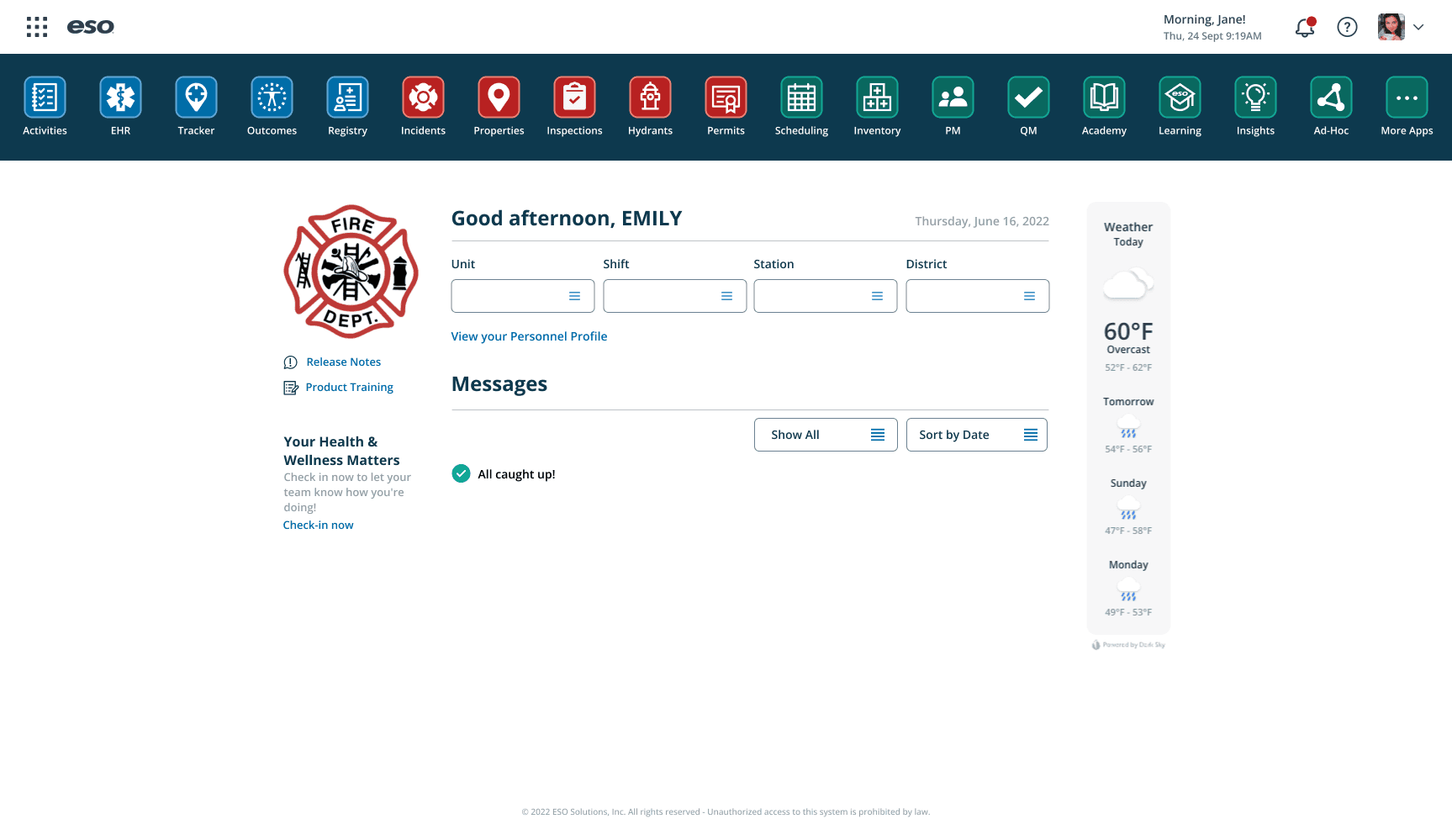
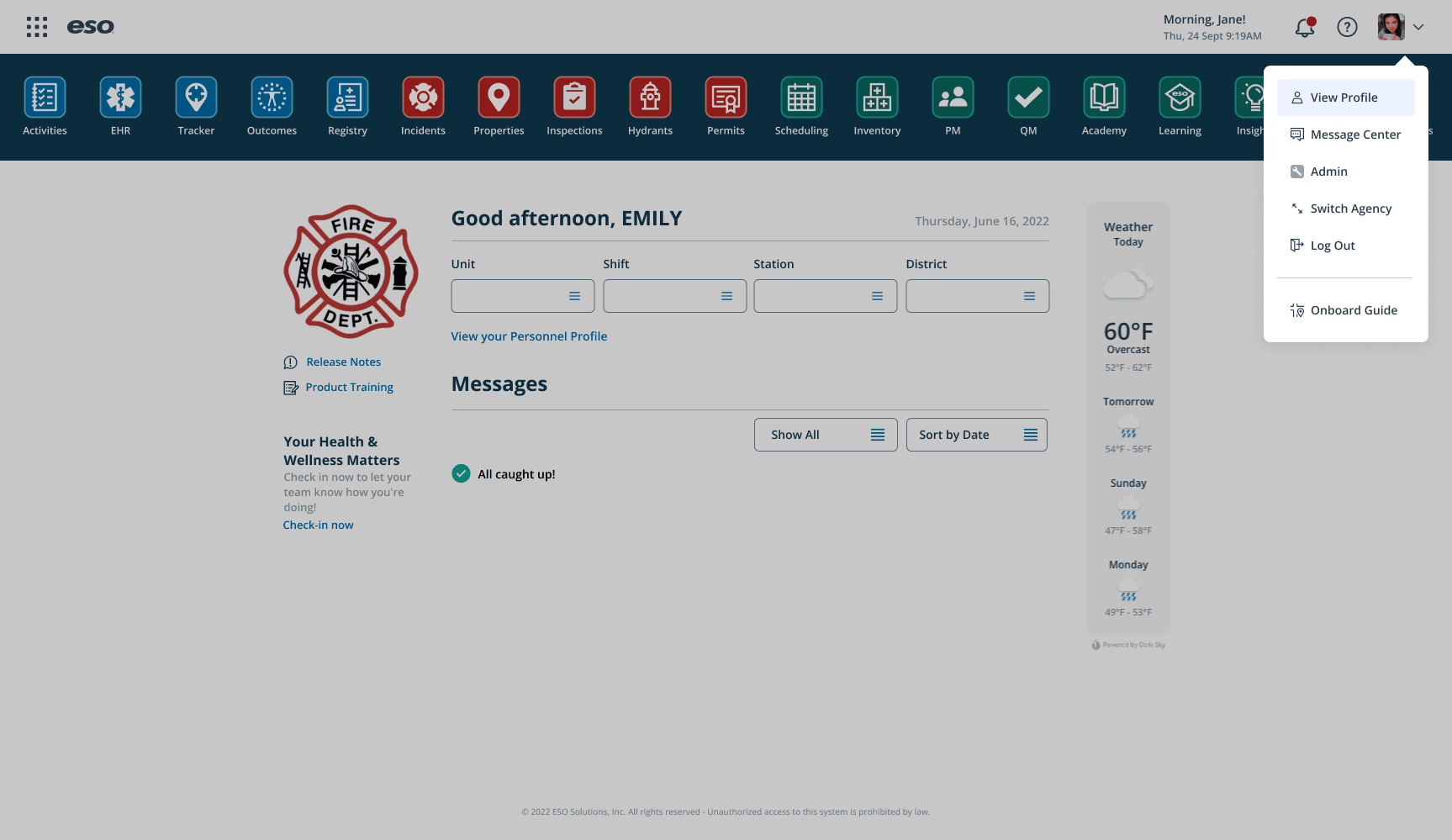
During one sprint, I worked on improving the main dashboard interface, introducing a new way to recommend apps that users hadn’t yet purchased.
Problem
The existing dashboard lacked discoverability for additional products without feeling overly sales‑driven. It also needed stronger visual consistency and clearer navigation.
Process
I explored multiple layout options in Figma, focusing on balance — making recommendations visible but not intrusive.
I reorganised the navigation, refined colour‑coding for product categories, and cleaned up the interface to improve clarity and reduce cognitive load.
Once the updates were ready, I conducted user tests to gather feedback and validate the design decisions.
Solution
The updated dashboard introduced subtle product discovery, a clearer visual hierarchy, and smoother navigation. These refinements made the interface easier to scan and more intuitive to use.
Impact
User feedback was overwhelmingly positive — testers found the dashboard easier to navigate and more visually coherent.
This project reinforced how small UX refinements can significantly improve user satisfaction and overall product experience.
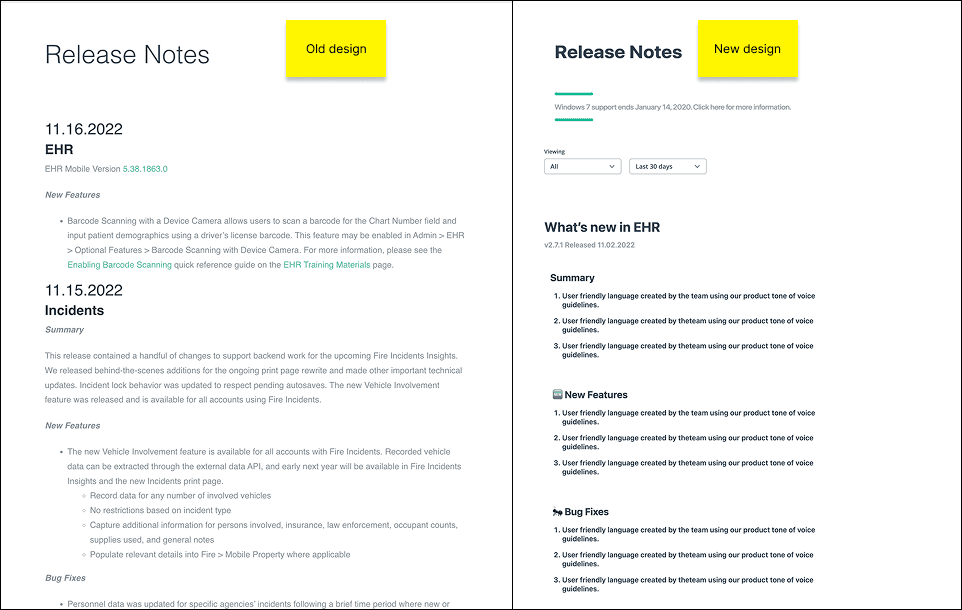
Release Notes Redesign
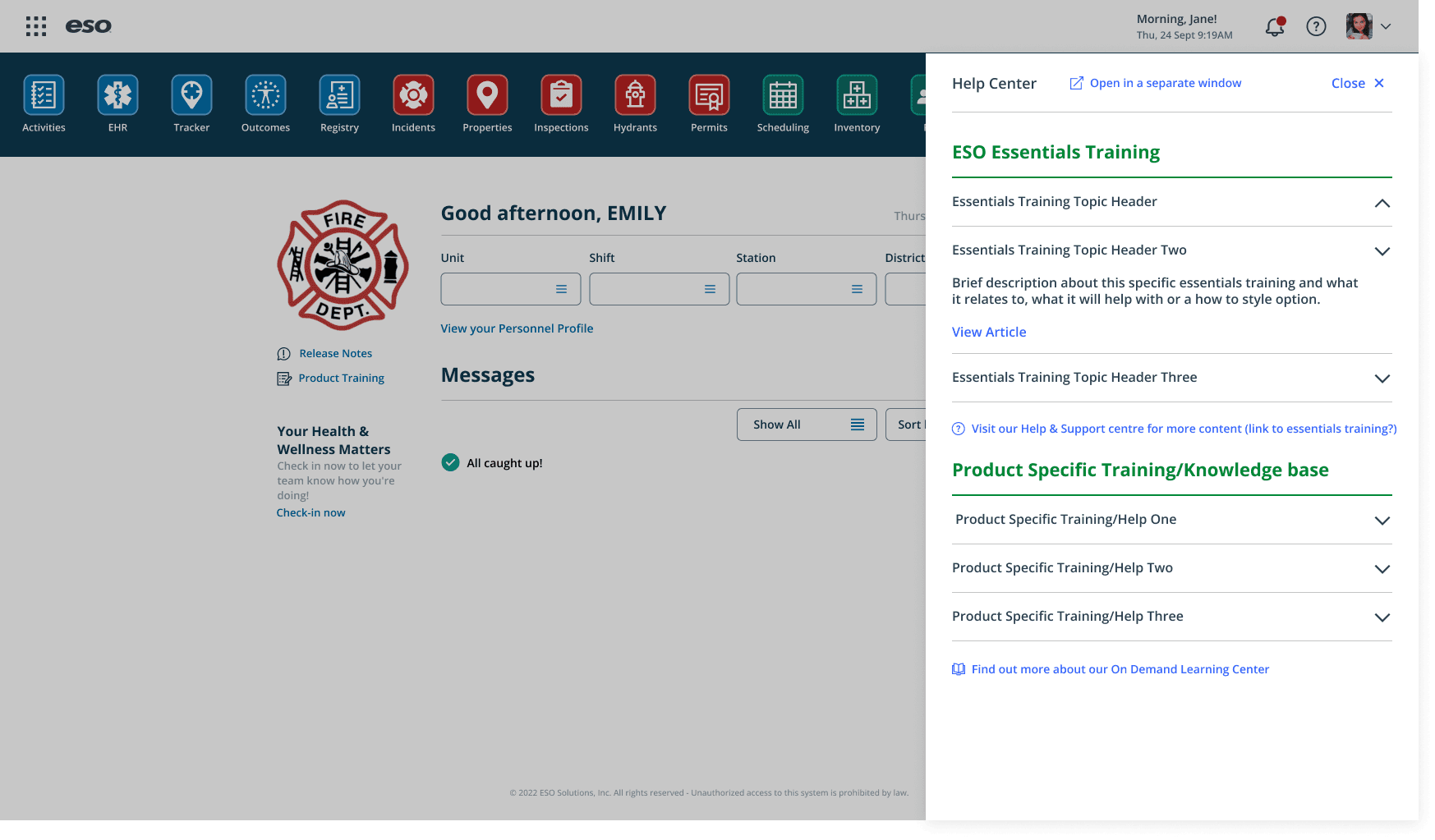
Around the same time, I redesigned the Release Notes page, contributing both design and front‑end code.
I improved readability through clearer information hierarchy, added filters and search functionality, and modernised the layout for easier scanning and referencing.
Seeing my designs come to life through implementation strengthened my appreciation for front‑end collaboration and design‑to‑development workflows.
Software: Figma, Maze, HTML/CSS, Adobe Illustrator, Jira
Skills: UI Redesign, Prototyping, User Testing, Information Hierarchy, Interaction Design, Visual Consistency
Placement report and presentation
More Projects
UI / UX Design
ESO
During my placement year at ESO, I worked across web and UX projects that pushed me to grow quickly as a designer. I learned to balance creativity with technical constraints, collaborate across teams, and deliver solutions that improved user experience and business outcomes. Impact: Reduced task time by 40% and improved success rate from 60% to 93%
Year :
2022 - 2023
Industry :
Tech & healthcare
Client :
eso
Project Duration :
1 year
Project 1: Training Pages Redesign
✨ Success metrics
Reduced average time to locate training materials by 40%
Improved task success rate from 60% to 93% after redesign.
Increased engagement with training modules by 25% (measured via click‑through tracking)
Expected business impact: fewer support requests and faster onboarding.
Context
The Training Pages serve as an internal knowledge hub, but users frequently struggled to navigate dense layouts and overwhelming content. This made it difficult to find essential information quickly.
Problem
The existing pages lacked hierarchy, clarity, and structure. Users often felt lost, and the volume of content amplified the complexity.
Process
I began with a heuristic evaluation to identify usability issues and opportunities for improvement. Because the team had no dedicated designer, I stepped in to support them alongside my primary team — even contributing light front‑end code to ensure my design recommendations were practical and easy to implement.
Solution
I introduced a simplified layout, clearer navigation hierarchy, and a more consistent visual language. These updates improved readability, reduced cognitive load, and helped users locate information more efficiently.
Software: Figma, Miro, HTML/CSS (light coding)
Skills: Heuristic Evaluation, Information Architecture, Accessibility, UX Problem-Solving, Cross-team Collaboration
Project 2: eso Suite and Tools (EST)
✨ Success metrics
Reduced average time to filter and export data by 30%
Doubled the number of successful data exports per session
Improved perceived efficiency score from 3.2 to 4.6/5 in post‑test survey
Expected impact: faster reporting cycles and reduced manual data handling
Context
I began as the only designer on the EST team, partnering closely with engineers to define early UX patterns and establish the product’s initial direction. A senior designer joined later in the year as the team expanded, which strengthened the design capability and gave me the opportunity to collaborate, learn, and contribute to a more mature design process.
Problem
The team was building Toolbox, a new internal tool used by eso employees to manage customer accounts. With no existing design system, patterns, or UX foundations, I needed to help define the product’s structure, usability, and visual identity from the ground up.
Process
Collaborated closely with engineers to map out user journeys and information flows
Created low-fidelity wireframes and interactive prototypes in Figma
Championed accessibility and simplicity across the product
Introduced consistent UI patterns and scalable design components
Key Contributions
Error Screen Design
One of the first screens I designed, which helped establish the tone, visual identity, and interaction patterns for the product.
Agency Onboarding Flow
After conducting user research, I introduced a “shopping cart” model that allowed users to select multiple accounts and generate reports simultaneously — simplifying a previously complex, multi‑step process.
Navigation System Redesign
I consolidated multiple pathways into a clear, intuitive navigation structure that reduced cognitive load and created a scalable foundation for future product growth.
Impact
My work helped establish the design foundation for a rapidly evolving internal product. By improving usability, introducing consistent patterns, and advocating for user‑first design, I set a precedent for accessible, scalable UX within a highly technical team.
This project also strengthened my ability to communicate design rationale, collaborate across disciplines, and influence product direction without formal design infrastructure.
Software: Figma, Dovetail, Miro, Maze, Jira
Skills: Design Systems, Component Documentation, UI Consistency, Cross-Functional Collaboration, Accessibility Standards
PROJECT 3: COMPONENT LIBRARY DEVELOPMENT
✨ Success metrics
Unified 40+ components into a single library, reducing design duplication by 60%
Cut average development time per feature by 25%
Increased cross‑team adoption rate to 90% within 3 months.
Expected impact: improved design consistency and faster release cycles.
Context
As Toolbox expanded, I introduced several new UI components and quickly realised the need for consistency and scalability. To support the growing product and ensure alignment across teams, I documented and added these components to the company’s design library.
Process
This was my first time managing design documentation at scale. I researched best practices, collaborated with senior designers, and ensured each component was accessible, reusable, and aligned with the evolving design system.
My focus was on creating components that were not only visually consistent but also flexible enough to support future product growth.
Impact
Building out the component library streamlined design and development workflows across teams, reduced duplication, and strengthened the product’s long‑term scalability. This project also deepened my understanding of design systems thinking — a skill that has since become central to my final‑year projects and overall approach to UI/UX design.
“Creating for scalability changed the way I think about design — it’s not just about what looks good today, but what will still work a year from now.”
Software: Figma, Dovetail, Miro, Jira
Skills: Design Systems, Component Documentation, UI Consistency, Cross-Functional Collaboration, Accessibility Standards
PROJECT 4: DASHBOARD UPDATES & RELEASE NOTES
✨ Success metrics
Increased visibility of new features by 3× (tracked via click‑throughs)
Reduced support tickets related to release confusion by 20%
Improved user satisfaction with dashboard clarity from 3.8 to 4.7/5
Expected impact: stronger product adoption and smoother update communication.
Context
During one sprint, I worked on improving the main dashboard interface, introducing a new way to recommend apps that users hadn’t yet purchased.
Problem
The existing dashboard lacked discoverability for additional products without feeling overly sales‑driven. It also needed stronger visual consistency and clearer navigation.
Process
I explored multiple layout options in Figma, focusing on balance — making recommendations visible but not intrusive.
I reorganised the navigation, refined colour‑coding for product categories, and cleaned up the interface to improve clarity and reduce cognitive load.
Once the updates were ready, I conducted user tests to gather feedback and validate the design decisions.
Solution
The updated dashboard introduced subtle product discovery, a clearer visual hierarchy, and smoother navigation. These refinements made the interface easier to scan and more intuitive to use.
Impact
User feedback was overwhelmingly positive — testers found the dashboard easier to navigate and more visually coherent.
This project reinforced how small UX refinements can significantly improve user satisfaction and overall product experience.
Release Notes Redesign
Around the same time, I redesigned the Release Notes page, contributing both design and front‑end code.
I improved readability through clearer information hierarchy, added filters and search functionality, and modernised the layout for easier scanning and referencing.
Seeing my designs come to life through implementation strengthened my appreciation for front‑end collaboration and design‑to‑development workflows.
Software: Figma, Maze, HTML/CSS, Adobe Illustrator, Jira
Skills: UI Redesign, Prototyping, User Testing, Information Hierarchy, Interaction Design, Visual Consistency
Placement report and presentation
More Projects
UI / UX Design
ESO
During my placement year at ESO, I worked across web and UX projects that pushed me to grow quickly as a designer. I learned to balance creativity with technical constraints, collaborate across teams, and deliver solutions that improved user experience and business outcomes. Impact: Reduced task time by 40% and improved success rate from 60% to 93%
Year :
2022 - 2023
Industry :
Tech & healthcare
Client :
eso
Project Duration :
1 year
Project 1: Training Pages Redesign
✨ Success metrics
Reduced average time to locate training materials by 40%
Improved task success rate from 60% to 93% after redesign.
Increased engagement with training modules by 25% (measured via click‑through tracking)
Expected business impact: fewer support requests and faster onboarding.
Context
The Training Pages serve as an internal knowledge hub, but users frequently struggled to navigate dense layouts and overwhelming content. This made it difficult to find essential information quickly.
Problem
The existing pages lacked hierarchy, clarity, and structure. Users often felt lost, and the volume of content amplified the complexity.
Process
I began with a heuristic evaluation to identify usability issues and opportunities for improvement. Because the team had no dedicated designer, I stepped in to support them alongside my primary team — even contributing light front‑end code to ensure my design recommendations were practical and easy to implement.
Solution
I introduced a simplified layout, clearer navigation hierarchy, and a more consistent visual language. These updates improved readability, reduced cognitive load, and helped users locate information more efficiently.
Software: Figma, Miro, HTML/CSS (light coding)
Skills: Heuristic Evaluation, Information Architecture, Accessibility, UX Problem-Solving, Cross-team Collaboration
Project 2: eso Suite and Tools (EST)
✨ Success metrics
Reduced average time to filter and export data by 30%
Doubled the number of successful data exports per session
Improved perceived efficiency score from 3.2 to 4.6/5 in post‑test survey
Expected impact: faster reporting cycles and reduced manual data handling
Context
I began as the only designer on the EST team, partnering closely with engineers to define early UX patterns and establish the product’s initial direction. A senior designer joined later in the year as the team expanded, which strengthened the design capability and gave me the opportunity to collaborate, learn, and contribute to a more mature design process.
Problem
The team was building Toolbox, a new internal tool used by eso employees to manage customer accounts. With no existing design system, patterns, or UX foundations, I needed to help define the product’s structure, usability, and visual identity from the ground up.
Process
Collaborated closely with engineers to map out user journeys and information flows
Created low-fidelity wireframes and interactive prototypes in Figma
Championed accessibility and simplicity across the product
Introduced consistent UI patterns and scalable design components
Key Contributions
Error Screen Design
One of the first screens I designed, which helped establish the tone, visual identity, and interaction patterns for the product.
Agency Onboarding Flow
After conducting user research, I introduced a “shopping cart” model that allowed users to select multiple accounts and generate reports simultaneously — simplifying a previously complex, multi‑step process.
Navigation System Redesign
I consolidated multiple pathways into a clear, intuitive navigation structure that reduced cognitive load and created a scalable foundation for future product growth.
Impact
My work helped establish the design foundation for a rapidly evolving internal product. By improving usability, introducing consistent patterns, and advocating for user‑first design, I set a precedent for accessible, scalable UX within a highly technical team.
This project also strengthened my ability to communicate design rationale, collaborate across disciplines, and influence product direction without formal design infrastructure.
Software: Figma, Dovetail, Miro, Maze, Jira
Skills: Design Systems, Component Documentation, UI Consistency, Cross-Functional Collaboration, Accessibility Standards
PROJECT 3: COMPONENT LIBRARY DEVELOPMENT
✨ Success metrics
Unified 40+ components into a single library, reducing design duplication by 60%
Cut average development time per feature by 25%
Increased cross‑team adoption rate to 90% within 3 months.
Expected impact: improved design consistency and faster release cycles.
Context
As Toolbox expanded, I introduced several new UI components and quickly realised the need for consistency and scalability. To support the growing product and ensure alignment across teams, I documented and added these components to the company’s design library.
Process
This was my first time managing design documentation at scale. I researched best practices, collaborated with senior designers, and ensured each component was accessible, reusable, and aligned with the evolving design system.
My focus was on creating components that were not only visually consistent but also flexible enough to support future product growth.
Impact
Building out the component library streamlined design and development workflows across teams, reduced duplication, and strengthened the product’s long‑term scalability. This project also deepened my understanding of design systems thinking — a skill that has since become central to my final‑year projects and overall approach to UI/UX design.
“Creating for scalability changed the way I think about design — it’s not just about what looks good today, but what will still work a year from now.”
Software: Figma, Dovetail, Miro, Jira
Skills: Design Systems, Component Documentation, UI Consistency, Cross-Functional Collaboration, Accessibility Standards
PROJECT 4: DASHBOARD UPDATES & RELEASE NOTES
✨ Success metrics
Increased visibility of new features by 3× (tracked via click‑throughs)
Reduced support tickets related to release confusion by 20%
Improved user satisfaction with dashboard clarity from 3.8 to 4.7/5
Expected impact: stronger product adoption and smoother update communication.
Context
During one sprint, I worked on improving the main dashboard interface, introducing a new way to recommend apps that users hadn’t yet purchased.
Problem
The existing dashboard lacked discoverability for additional products without feeling overly sales‑driven. It also needed stronger visual consistency and clearer navigation.
Process
I explored multiple layout options in Figma, focusing on balance — making recommendations visible but not intrusive.
I reorganised the navigation, refined colour‑coding for product categories, and cleaned up the interface to improve clarity and reduce cognitive load.
Once the updates were ready, I conducted user tests to gather feedback and validate the design decisions.
Solution
The updated dashboard introduced subtle product discovery, a clearer visual hierarchy, and smoother navigation. These refinements made the interface easier to scan and more intuitive to use.
Impact
User feedback was overwhelmingly positive — testers found the dashboard easier to navigate and more visually coherent.
This project reinforced how small UX refinements can significantly improve user satisfaction and overall product experience.
Release Notes Redesign
Around the same time, I redesigned the Release Notes page, contributing both design and front‑end code.
I improved readability through clearer information hierarchy, added filters and search functionality, and modernised the layout for easier scanning and referencing.
Seeing my designs come to life through implementation strengthened my appreciation for front‑end collaboration and design‑to‑development workflows.
Software: Figma, Maze, HTML/CSS, Adobe Illustrator, Jira
Skills: UI Redesign, Prototyping, User Testing, Information Hierarchy, Interaction Design, Visual Consistency